How can a mining fleet lose revenue while its machines keep hashing? In a report published on November 16, 2026, Odaily described an unauthorized change to pool settings that redirected an estimated 13 EH/s from about 64,000 Bitcoin miners toward OCEAN. The incident centered on Luxor’s Commander fleet-management software, not a failure of Bitcoin’s consensus rules.
What was reported
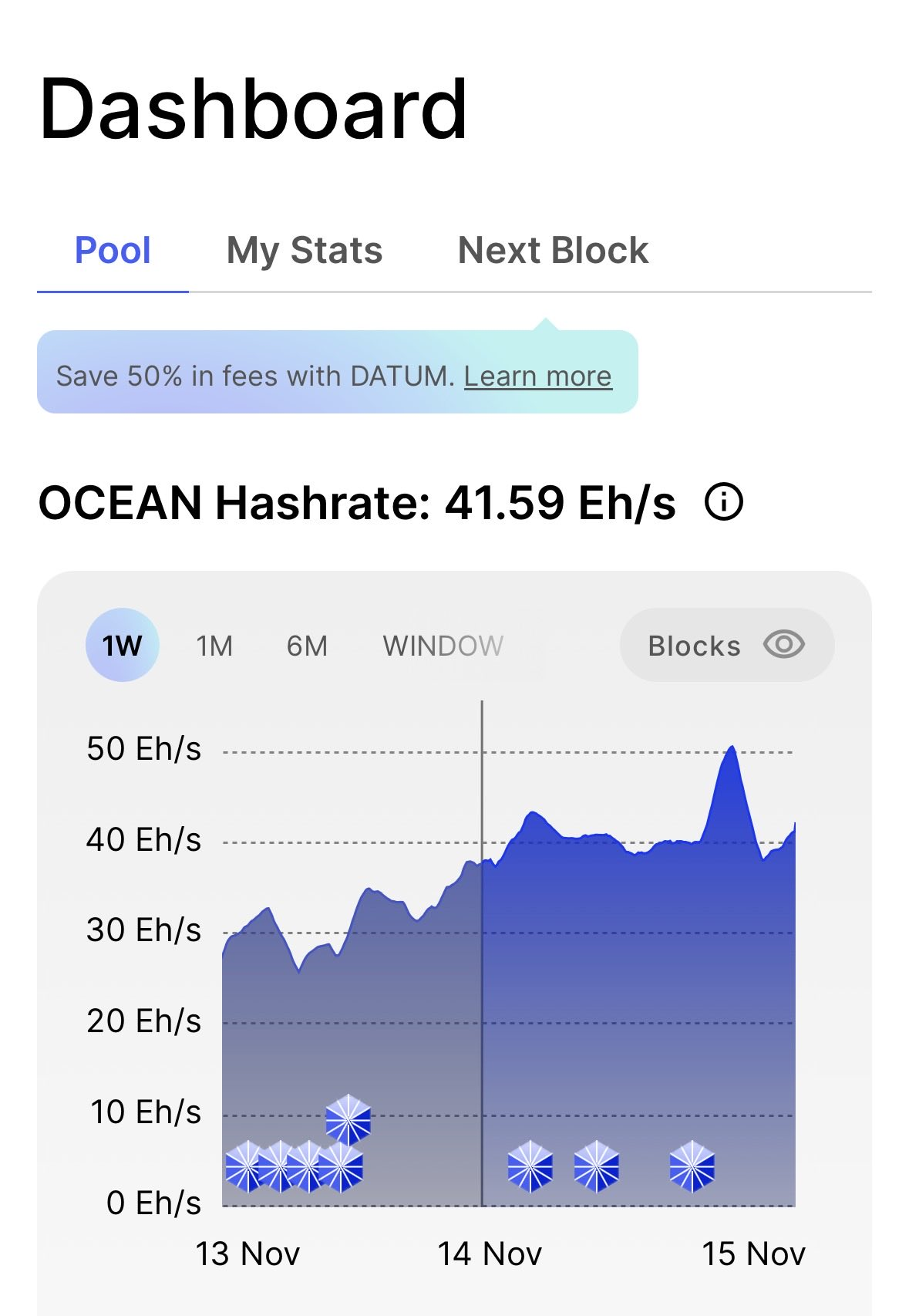
On November 15, hosting provider CoreX Hosting warned that miners were being directed to OCEAN using a BTC payout address it identified. Bitcoin News reported that roughly 64,000 machines, representing about 13 EH/s, were affected. OCEAN’s total hashrate reportedly approached 50 EH/s before falling to around 40 EH/s. In a later update that day, CoreX said the redirected hashrate had dropped from 13 EH/s to about 100 PH/s and that the attack appeared to be over.
Luxor said its monitoring detected unauthorized hashrate redirection through Commander affecting more than a dozen customers. It said Commander was patched within two hours and that it began restoring affected miners’ previous pool settings. According to Luxor, no system data was leaked, and neither its mining pool nor LuxOS was affected. The company promised to compensate affected customers for their normal mining revenue. CEO Nick Hansen described the incident as a “complex AI-assisted” attack and said Luxor had paused most new-feature development to focus on security infrastructure. The report did not establish independently how AI was used.
Revenue and exposure remain uncertain
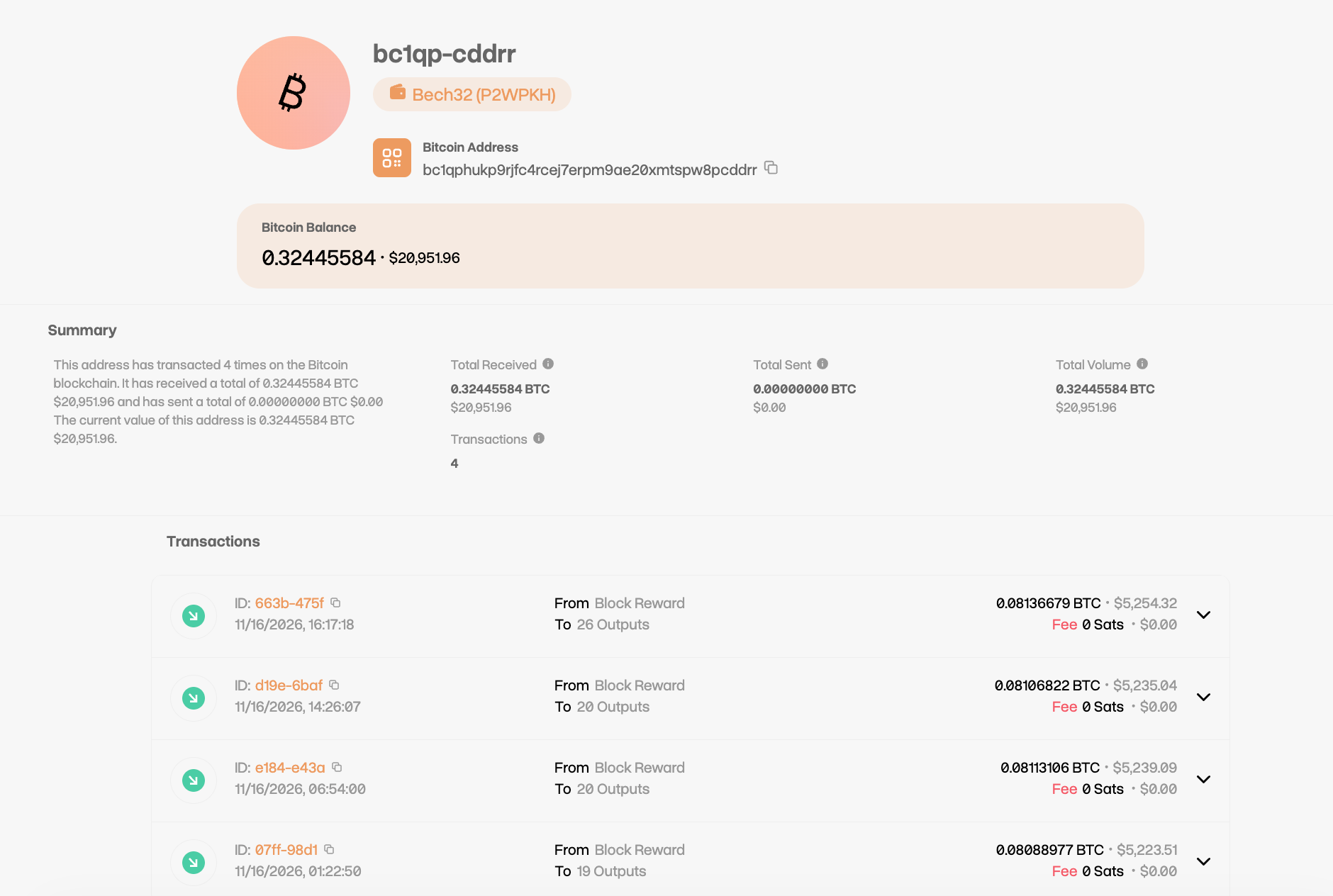
The reported payout figures do not yet reconcile. Odaily initially stated that the attacker obtained 0.162 BTC. It also cited on-chain data showing four payments totaling 0.3244 BTC to the address CoreX had flagged. Those payments were dated November 16, raising a question about their relationship to Luxor’s stated patch timeline. The report said a fuller security account was still needed.
Odaily estimated that 13 EH/s could generate roughly $17,000 in gross mining revenue per hour, using its then-current difficulty assumptions and a BTC price of about $65,000. On that basis, it put a hypothetical two-to-20-hour revenue range at approximately $34,000–$340,000. That is a scenario estimate—not Luxor’s confirmed compensation bill or a measured loss. The exact number of affected machines, the amount of hashrate redirected over time and the compensation total had not been confirmed in the report.
Fleet-management software can distribute pool settings across thousands of miners at once. This incident illustrates the operational risk of that control point: changing where machines submit work, and where pool payouts are directed, can affect revenue without stopping block production or compromising Bitcoin’s network rules.