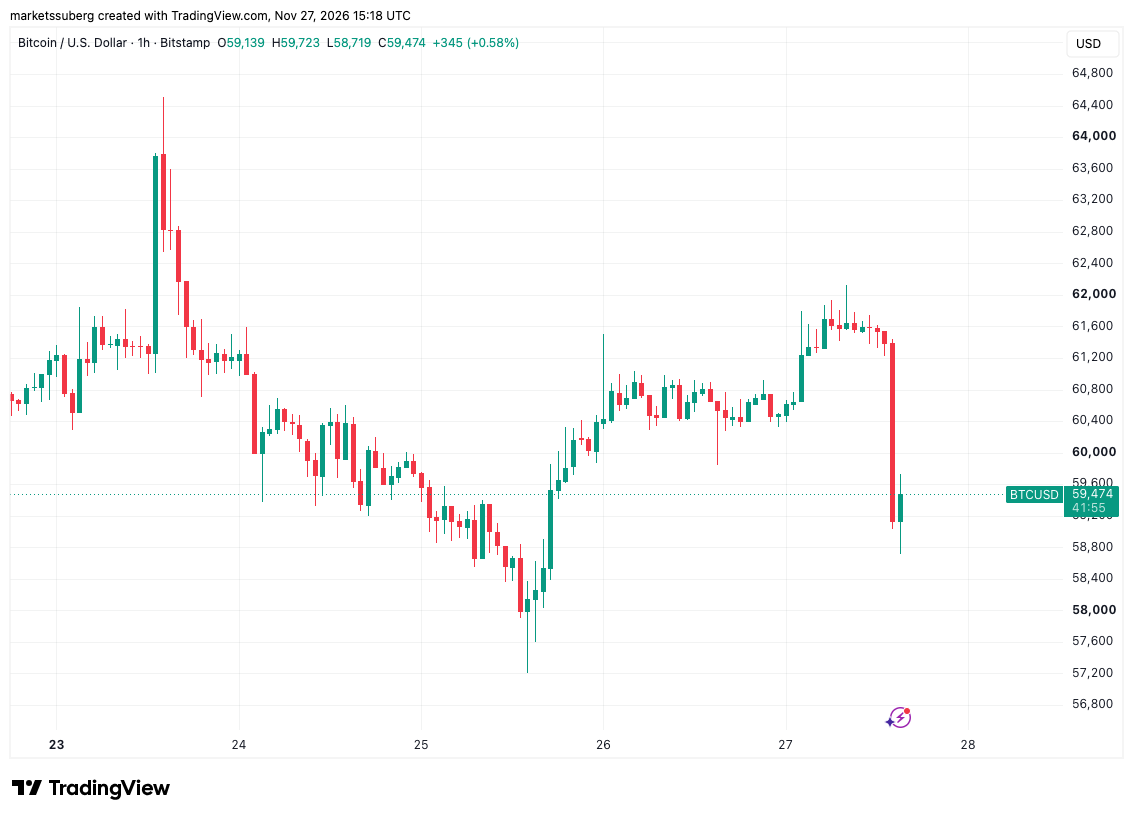
By 16:48 UTC on Nov. 27, 2026, Bitcoin had given up its premarket gain. TradingView data showed BTC/USD rising as much as 2.7% to $62,100 before US stocks opened, then falling to $58,700 as trading resumed after Thanksgiving. CoinGlass recorded $228 million in liquidations across the crypto market in the hour ending at 15:00 UTC.
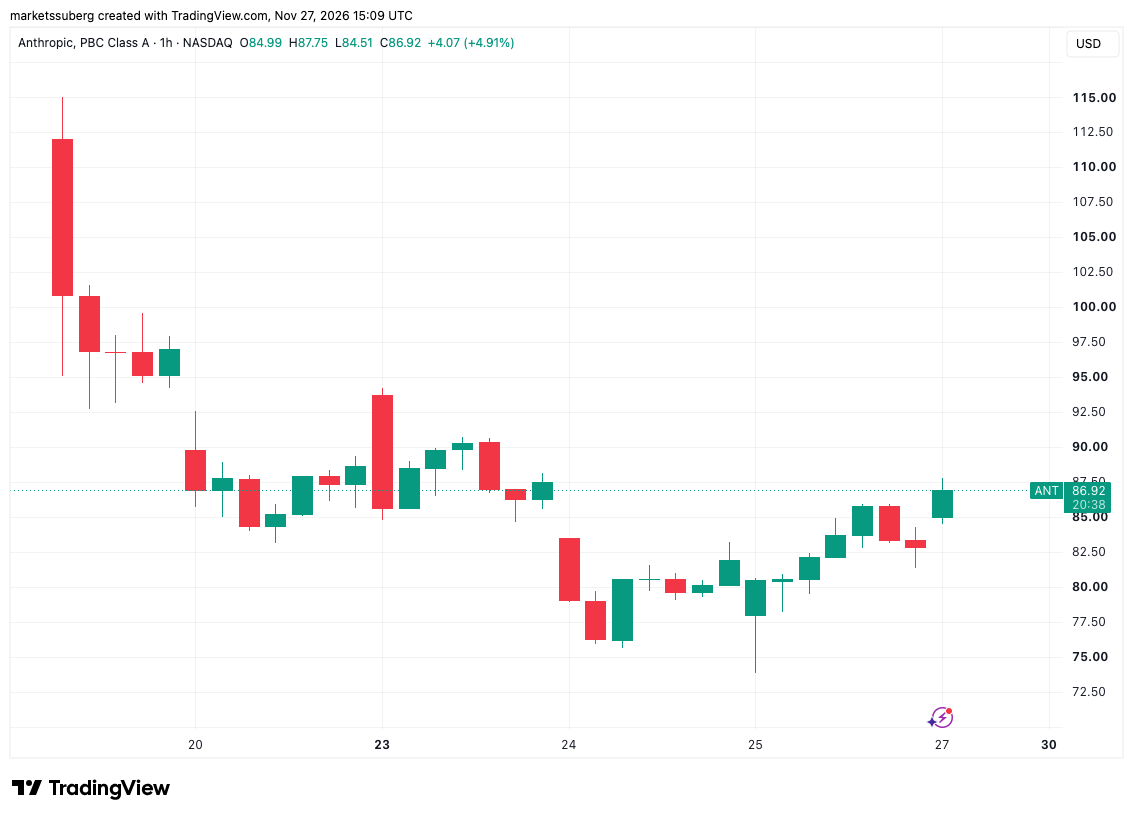
The S&P 500 opened 0.9% higher and the Nasdaq Composite gained 1.4% at the open of the shortened session, which was scheduled to end at 1 p.m. Eastern. Individual tech stocks were mixed: Anthropic rose 4% to trade above $87, about 18% above its Nov. 25 low of $73.90, while Nvidia fell 1.5% to $147 after the open. Janus Henderson portfolio manager Richard Clode told CNBC that hyperscalers still needed to earn a return on their investments and rebuild free cash flow. Anthropic, he said, needed to demonstrate that it could meet revenue growth expectations and generate both profits and free cash flow.
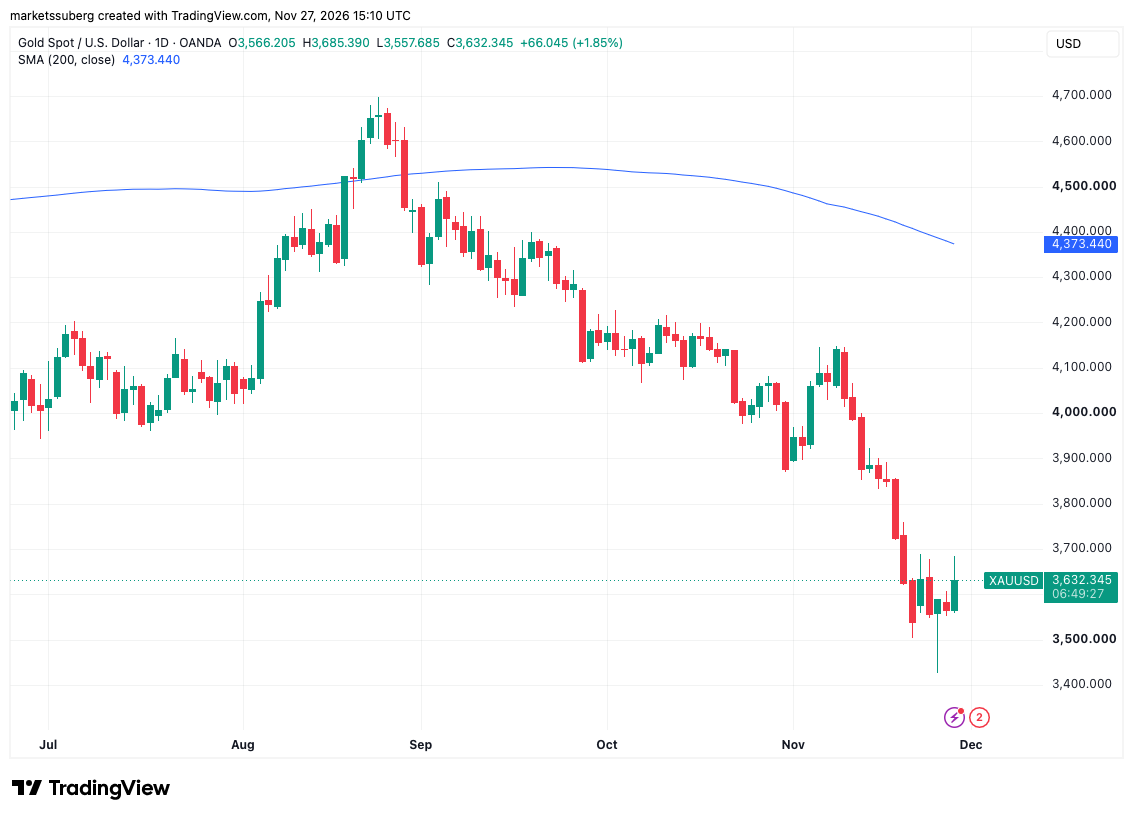
Precious metals also gained. Silver rose as much as 7.4%, while gold was up 2% at $3,635 per ounce at 15:00 UTC. The rebound followed a steep decline: on Nov. 25, The Kobeissi Letter said gold was trading 20% below its 200-day simple moving average of $4,373 per ounce. It put the drop from January’s intraday peak at 37%, which it described as gold’s largest drawdown within a 12-month period since the early 1980s.
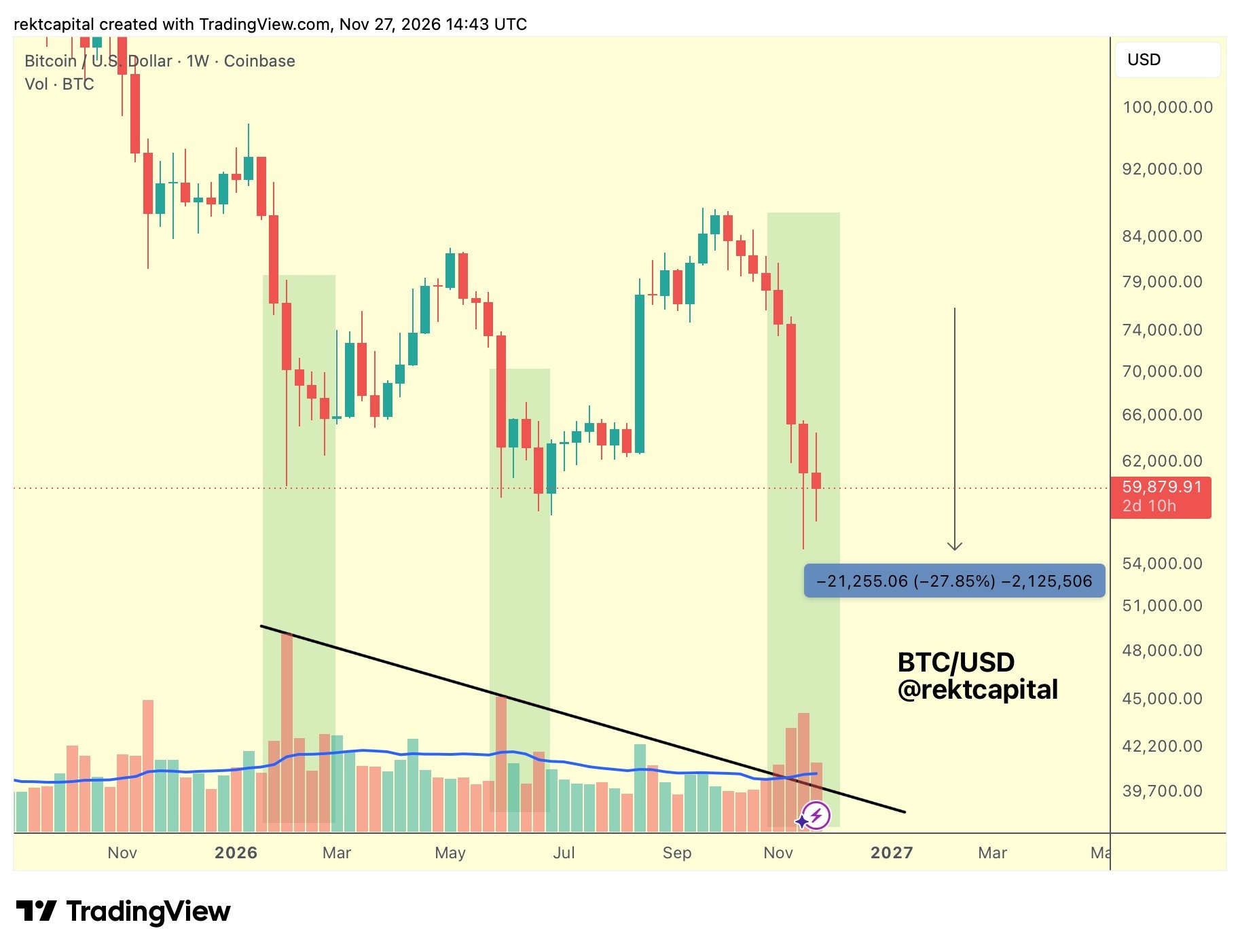
Crypto analyst Rekt Capital placed Bitcoin’s reversal in the context of a longer selloff. The analyst said Bitcoin had fallen 27% after selling volume broke higher and had recorded four consecutive weeks of above-average selling volume. In the analyst’s assessment, that brought Bitcoin closer to seller exhaustion; it did not establish that selling had peaked.