CoinMarketCap’s Crypto Fear and Greed Index stood at 9 out of 100 on Saturday, November 28, 2026, reportedly its 16th consecutive day in “extreme fear.” Bitcoin had briefly approached $55,000 the previous week, a two-year low. The question the index could not answer was whether buyers were ready to absorb the Bitcoin coming onto the market.
The index combines price momentum, expected volatility, options positioning, market composition and investor activity. The ratio of put options to call options gives some indication of demand for protection against further losses. Implied volatility measures the size of the price move options traders expect, not its direction. Price momentum matters because a decline in Bitcoin itself can pull the score lower. Treating the low score as separate evidence that Bitcoin is undervalued risks counting the price decline twice.
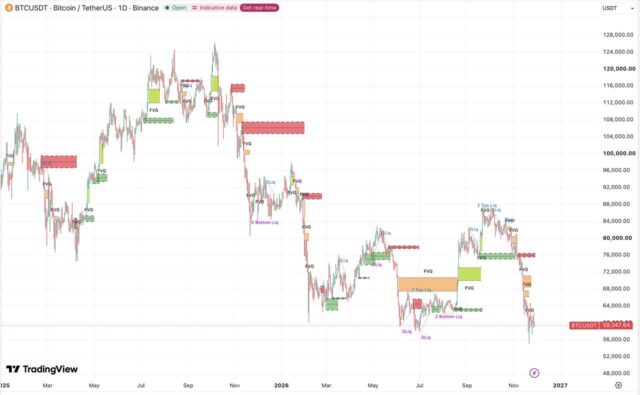
Price and sentiment can also recover at different times. On March 5, Bitcoinist reported that Alternative.me’s Bitcoin Fear and Greed Index had spent 35 consecutive days in extreme fear even as Bitcoin recovered above $72,000. Alternative.me and CoinMarketCap use different methods, so their scores are not directly comparable. The March episode shows that a price recovery need not wait for confidence to return.
With traditional financial markets closed for the weekend, spot Bitcoin ETF flows on Monday, November 30, would offer a fresh measure of institutional demand. Exchange activity and futures positioning could help distinguish new buying from short covering: traders who buy Bitcoin to close bearish positions can lift the price, but that demand ends once those trades are closed. Evidence that other buyers continued to absorb supply would say more about the durability of a rebound than a rise in the fear score alone.